Airliner Comparison ToolCompare 60+ passenger aircraft models head to head!

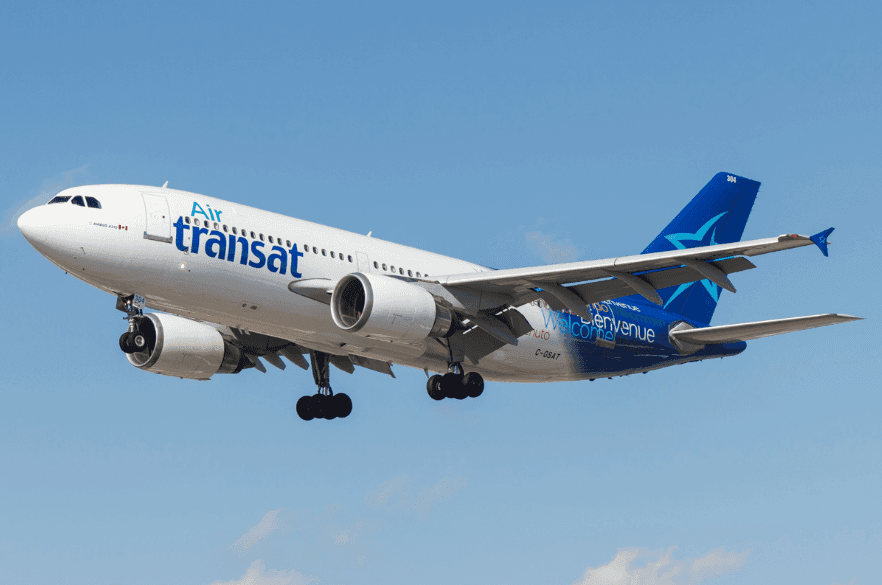
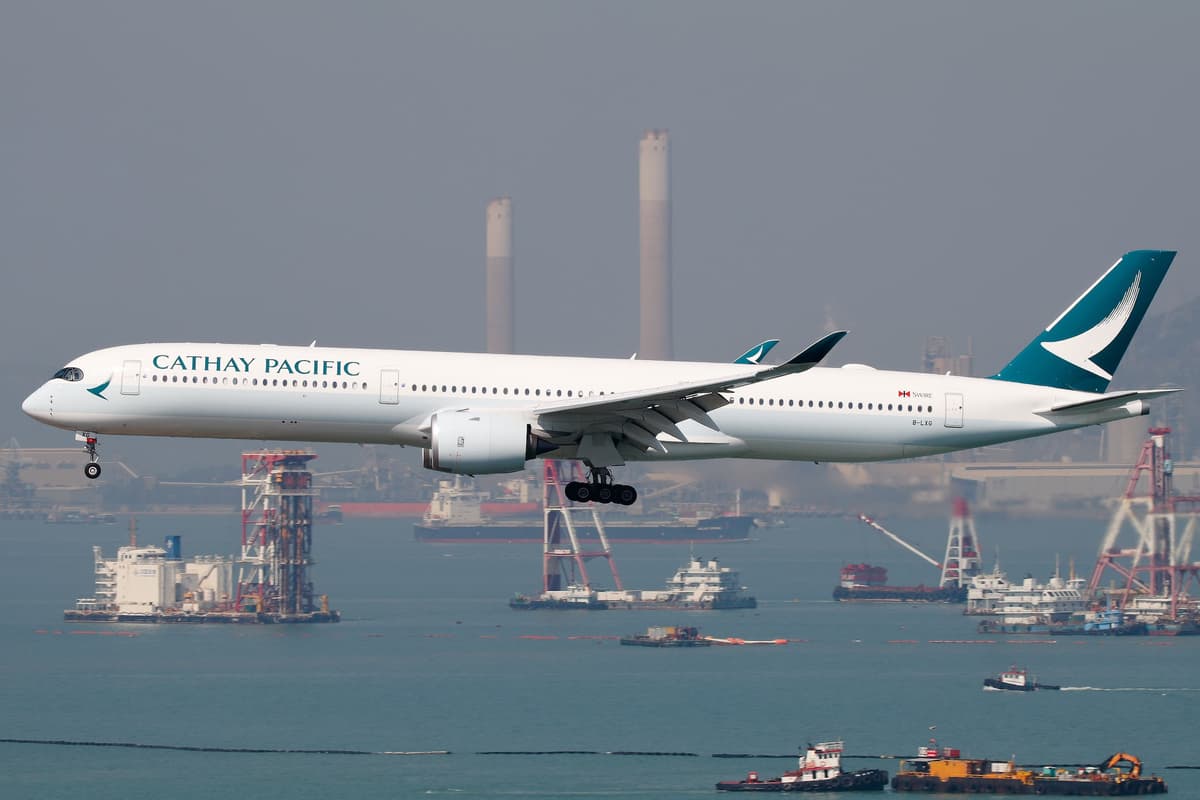
Airbus A310 vs. Airbus A350-1000

Compare

A310

vs.

A350-1000

Price (USD)
$60 Million$366 Million
First Flight
19822016
Body Type
Wide-bodyWide-body
Length
46 m152 ft
73 m242 ft
Wingspan
43 m144 ft
64 m212 ft
Wing Area
219 m²2,357 ft²
442 m²4,757 ft²
Fuselage Width
5 m18 ft
6 m19 ft
Height
15 m51 ft
17 m56 ft
Max Takeoff Weight
157,000 kg346,126 lbs
319,000 kg703,275 lbs
Number of Engines
22
Engine Options
General Electric CF6 / Pratt & Whitney PW4000Rolls-Royce Trent XWB
Max Thrust Per Engine
262 kN59,000 lbf
432 kN97,000 lbf
Max Total Thrust
524 kN118,000 lbf
864 kN194,000 lbf
Fuel Capacity
61,070 l16,133 gal
164,000 l43,324 gal
Range
8,050 km4,347 nm
16,112 km8,700 nm
Cruise Speed
850 km/h528 mph
905 km/h562 mph
Typical Seating
220 pax410 pax
Max Seating
230 pax480 pax

What Are the Differences Between the Airbus A310 and Airbus A350-1000

Airbus A310 vs Airbus A350-1000 Size Comparison

  • At 73.80 meters, the Airbus A350-1000 is 27.20 meters longer than the Airbus A310.
  • With a wingspan of 64.80 meters, the Airbus A350-1000 is 20.90 meters wider from wingtip to wingtip.
  • The Airbus A310 and Airbus A350-1000 have heights of 15.80 meters and 17.10 meters respectively - making the Airbus A350-1000 1.30 meters taller.

Airbus A310 vs Airbus A350-1000 Range

  • Airbus A350-1000’s range of 16,112 kilometers is greater than Airbus A310’s range of 8,050 kilometers. Therefore, the Airbus A350-1000 can fly nonstop approximately 8,062 kilometers further.
  • The Airbus A350-1000 can hold 43,324 gallons of fuel, which is 27,191 gallons more than the Airbus A310’s tank capacity of 16,133 gallons.

Airbus A310 vs Airbus A350-1000 Seating

  • In a typical seating configuration, the Airbus A350-1000 can accommodate 410 passengers, which is about 190 passengers more than Airbus A310’s seating capacity.
  • The Airbus A350-1000’s max seating capacity is 480 passengers, compared to 230 passengers of the Airbus A310.

About the Airbus A310

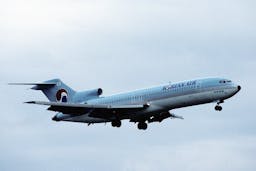
The Airbus A310 is a wide-body, twin-engine jetliner developed by Airbus in the early 1980s as a smaller variant of the A300, its first airliner. The A310 was designed to meet the demands of airlines for a smaller, more efficient aircraft for medium to long-haul routes. This development marked Airbus's expansion in the wide-body aircraft market, offering a versatile option for various airline operations.

With a length of 153 feet (46.7 meters) and a wingspan of 144 feet (43.9 meters), the A310 is notably smaller than the A300, making it suitable for routes with lower passenger demand. The aircraft typically accommodates around 220 passengers in a standard three-class configuration, though it can be configured to carry more in a high-density layout. This flexibility in seating allows airlines to optimize the A310 for both high passenger volume short-haul flights and longer, less densely populated routes.

The A310's design incorporates significant advancements over the A300, including a shortened fuselage and redesigned wing, which contribute to its improved aerodynamics and fuel efficiency. It is equipped with either General Electric CF6-80 or Pratt & Whitney JT9D engines, providing a balance of power and efficiency. The A310 has a maximum takeoff weight of approximately 336,000 lbs and a range of up to 4,350 nautical miles, depending on the variant and configuration. Inside, the A310 offers a comfortable passenger experience with a spacious cabin and advanced features for its time, such as an optional two-crew glass cockpit. This innovative cockpit design reduced the flight crew requirement from three to two, a significant shift in commercial aviation operations.

The Airbus A310 was well-received in the commercial aviation market, with orders from several airlines worldwide. Notable operators included Lufthansa, Air France, and KLM, among others. These airlines utilized the A310 for its intended purpose, taking advantage of its capacity and range for diverse route networks. The A310's production and service history reflect its role in the evolution of Airbus's wide-body offerings. It bridged the gap between the larger A300 and the later A330 and A340 models, demonstrating Airbus's capability to adapt to market needs. The A310 was instrumental in establishing Airbus as a major competitor in the wide-body aircraft segment.

Though production of the A310 has ceased, its legacy continues in the aviation industry. The aircraft is remembered for its contributions to the development of wide-body jets, particularly in terms of efficiency, versatility, and technological advancements in aircraft design.

About the Airbus A350-1000

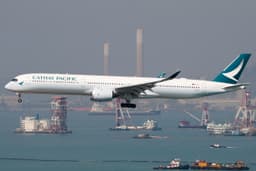
The Airbus A350-1000 is a wide-body, twin-engine jetliner specifically designed for long-haul, high-capacity flights. Launched in 2016, it represents Airbus's commitment to advanced technology, efficiency, and passenger comfort in the competitive long-haul aviation market. It is the larger variant of the A350 (bigger than the -900), and sometimes referred to as the A35K.

Measuring 73.8 meters (242.1 feet) in length with a wingspan of 64.8 meters (212.4 feet), the A350-1000 stands out for its substantial size, accommodating 410 passengers in a standard three-class layout. This capacity enables the aircraft to efficiently serve routes with high passenger volumes, while maintaining the comfort and efficiency standards associated with the A350 family. Equipped with two Rolls-Royce Trent XWB-97 engines, the A350-1000 delivers a total thrust of 864.0 kN (194,000 lbf), facilitating its long-haul capabilities. The aircraft's fuel capacity of 164,000 liters (43,324 US gallons) supports a range of up to 16,112 kilometers (8,700 nautical miles), ideal for extensive long-distance operations. With a cruise speed of 905 km/h (562 mph), the A350-1000 efficiently covers vast distances.

The A350-1000 competes in the commercial aviation market against models such as the Boeing 777X. Its innovative design, which includes extensive use of carbon-fiber-reinforced polymer, emphasizes Airbus's focus on sustainability and fuel efficiency. Notable airlines operating the A350-1000 include Qatar Airways, British Airways, and Cathay Pacific. These carriers have employed the aircraft for various long-haul routes, capitalizing on its range, capacity, and passenger appeal. The A350-1000's operational flexibility has made it a valuable asset for airlines looking to enhance their long-haul service offerings. The Airbus A350-1000's development and introduction into the market signify a major step forward in Airbus's long-haul aircraft portfolio. It showcases the manufacturer's ability to innovate and meet the evolving demands of the airline industry, particularly in terms of creating aircraft that balance range, capacity, and environmental considerations.

Today, the Airbus A350-1000 continues to shape the landscape of long-distance air travel. Its role in modern aviation is marked by its combination of advanced technology, operational efficiency, and commitment to sustainable travel, making it a key player in the future of long-haul commercial flights.

Share:
Values shown may not be 100% accurate, as some metrics are averages or only represent certain production years and configurations. Engine specs are based on the best options available.

Related Airliner Comparisons

Frequently Asked Questions

Learn more about the WebFlite Aircraft Comparison Tool.

What is this comparison tool?

WebFlite’s Aircraft Comparison Tool allows users to contrast the specifications of over 100 airliner, freighter, and fighter jet models. The head-to-head comparisons include data related to size, weight, capacity, performance, and much more! Whether you want to compare similar aircraft, old vs new, big vs small - you can find it here at WebFlite!

How do you use this tool?

The Aircraft Comparison Tool is extremely easy to use! First, select your type of aircraft - Airliners, Freighters, or Fighter Jets. When the page reloads, select an aircraft from each of the two drop-down menus below the aircraft illustrations, and then click the blue “Compare” button. The page will automatically update and display those two aircraft and their specs! You can start a new comparison by changing either one or both aircraft from the drop-downs, and clicking “Compare” again. You can also change the aircraft type at the top of the page.

Where does the aircraft data come from?

The data for these aircraft has been scraped from a few sources, including manufacturer websites, government databases, and Wikipedia. While the data is fairly accurate, we cannot guarantee it all to be 100% exact. This is mainly due to discrepancies between sub-models and configurations. Most aircraft in this comparison tool will include what variant its data is based off of.

What are the most popular aircraft comparisons?
Can I share this tool or a comparison?

Yes! Please feel free to share this tool or any specific aircraft comparison with friends, family, or on social media! You may also share on your own website, but please include a link to the tool! We appreciate any support with helping us grow!

webflite-logoWebFlite
2023 WebFlite. All rights reserved.